5 Signs You Need a Dental Check-Up This Winter
Winter brings cozy sweaters, holiday celebrations, and unfortunately, unique challenges for your oral health. As temperatures drop and we spend more time indoors, certain dental issues can emerge or worsen without proper attention. Many people don't realize that the cold season affects not just our immune systems but also our teeth and gums in specific ways. Understanding the warning signs that indicate you need a dental check-up can help you maintain optimal oral health throughout the winter months. Here's what you need to watch for and why taking action now can save you from more serious problems down the road.
1. Persistent Tooth Sensitivity to Cold Temperatures
If you've noticed a sharp, uncomfortable sensation when breathing in cold winter air or sipping hot beverages, this could be more than just temporary discomfort. Tooth sensitivity often indicates that your enamel has worn down or that you have exposed tooth roots, both of which require professional attention. The cold winter air can intensify these sensations, making everyday activities like walking outside or enjoying your morning coffee surprisingly painful. This sensitivity might also signal the presence of small cavities, receding gums, or even microscopic cracks in your teeth that have developed over time.
Many patients initially dismiss tooth sensitivity as a minor inconvenience, thinking it will resolve on its own once winter passes. However, this waiting approach can allow underlying problems to progress significantly. Your dentist can identify the exact cause of your sensitivity through a thorough examination and may recommend treatments ranging from fluoride applications to address enamel erosion, to dental bonding for exposed roots, or fillings for cavities. The earlier you address sensitivity issues, the simpler and less invasive the treatment typically is.
Winter's cold weather also tends to make us clench our jaws unconsciously, especially when we're cold or tense during the holiday season. This additional pressure on already sensitive teeth can exacerbate the problem and even cause new dental issues to develop. Your dentist can assess whether you're grinding or clenching your teeth and provide solutions like a custom night guard to protect your teeth while you sleep.
Don't ignore persistent sensitivity – it's your body's way of signaling that something needs attention. Professional intervention can not only eliminate the discomfort but also prevent more serious complications like infections or tooth loss. Have you been putting off that dental visit because you thought your sensitivity would improve on its own?
2. Bleeding or Swollen Gums
Noticing blood on your toothbrush or when flossing is never normal, regardless of the season. However, winter's cold, dry air can worsen existing gum inflammation, making bleeding and swelling more pronounced. Healthy gums should be firm and pink, not puffy, red, or prone to bleeding. When your gums bleed easily, it's often an early sign of gingivitis, the first stage of gum disease that's still reversible with proper care and professional treatment.
The winter season can be particularly challenging for gum health because we tend to breathe through our mouths more often when we have colds or sinus congestion, which dries out the mouth and reduces saliva's natural protective effects. Reduced saliva flow means bacteria can multiply more easily, leading to inflammation and infection of the gum tissue. Additionally, holiday stress and changes in routine can cause people to neglect their oral hygiene habits, giving bacteria even more opportunity to cause problems.
If left untreated, gingivitis can progress to periodontitis, a more severe form of gum disease that can damage the soft tissue and bone supporting your teeth. This advanced stage of gum disease is linked to serious health conditions including heart disease, diabetes complications, and respiratory problems. The good news is that catching gum disease early through a winter dental check-up allows your dentist to provide a thorough cleaning and guidance on improving your home care routine.

Your dentist can also identify whether your bleeding gums are caused by improper brushing technique, inadequate flossing, or underlying health conditions that affect gum health. Professional treatment might include deep cleaning procedures like scaling and root planing, antimicrobial treatments, or recommendations for specialized oral care products. Taking action now can preserve your natural teeth and protect your overall health for years to come.
3. Persistent Bad Breath or Unpleasant Taste
While everyone experiences occasional bad breath, chronic halitosis that persists despite regular brushing and flossing is a sign that something more serious may be happening in your mouth. Winter's tendency to dry out our mouths due to indoor heating and reduced water intake can make bad breath more noticeable and problematic. When your mouth is dry, bacteria flourish and produce volatile sulfur compounds that create that unpleasant odor. However, persistent bad breath can also indicate gum disease, tooth decay, infections, or even problems with your tonsils or digestive system.
Many people try to mask bad breath with mints, gum, or mouthwash without addressing the underlying cause. While these temporary solutions might provide brief relief, they don't solve the actual problem. A dental professional can examine your entire mouth, including areas you might not be able to see or reach, to identify the source of the odor. This might include checking for food particles trapped between teeth, examining the tongue for bacterial buildup, or looking for signs of infection or decay.
An unpleasant or metallic taste in your mouth that won't go away is another red flag that deserves professional attention. This symptom can indicate a dental infection, periodontal disease, or even problems with dental work like old fillings or crowns that may be leaking or deteriorating. During winter, when our immune systems are already challenged by cold and flu season, dental infections can develop more quickly and become more severe than during other times of the year.
Your dentist can perform a comprehensive evaluation to determine the cause of your bad breath or unusual taste and recommend appropriate treatments. This might include professional cleanings to remove tartar buildup, treating gum disease, addressing cavities, or replacing old dental work. Fresh breath isn't just about social confidence – it's often a reflection of good oral health and can alert you to problems before they become serious.
4. Jaw Pain, Headaches, or Difficulty Chewing
If you're experiencing persistent jaw pain, frequent headaches, or difficulty chewing your food comfortably, these symptoms shouldn't be dismissed as simple stress or tension. While winter stress from holiday preparations and year-end responsibilities can certainly contribute to jaw clenching and teeth grinding, these symptoms can also indicate more serious dental issues like temporomandibular joint (TMJ) disorders, tooth infections, misaligned bite, or problems with existing dental work. The cold weather itself can cause us to tense our facial muscles unconsciously, exacerbating existing jaw problems.
TMJ disorders affect the joint that connects your jaw to your skull and can cause clicking, popping, or grinding sensations when you open and close your mouth. Many people don't realize that dental problems can be the source of their chronic headaches, neck pain, or even ear pain. Your dentist can evaluate your jaw function, check for signs of teeth grinding or clenching, and examine your bite alignment to determine if dental issues are contributing to your discomfort.
Difficulty chewing can also signal problems with specific teeth, such as cracked teeth, deep cavities, or infections that make biting down painful. Some patients develop the habit of chewing only on one side of their mouth to avoid pain, which can lead to additional problems including uneven tooth wear, jaw muscle imbalance, and digestive issues from improperly chewed food. Winter's tendency to make us crave harder, crunchier foods like nuts and candy canes can put extra stress on already compromised teeth.
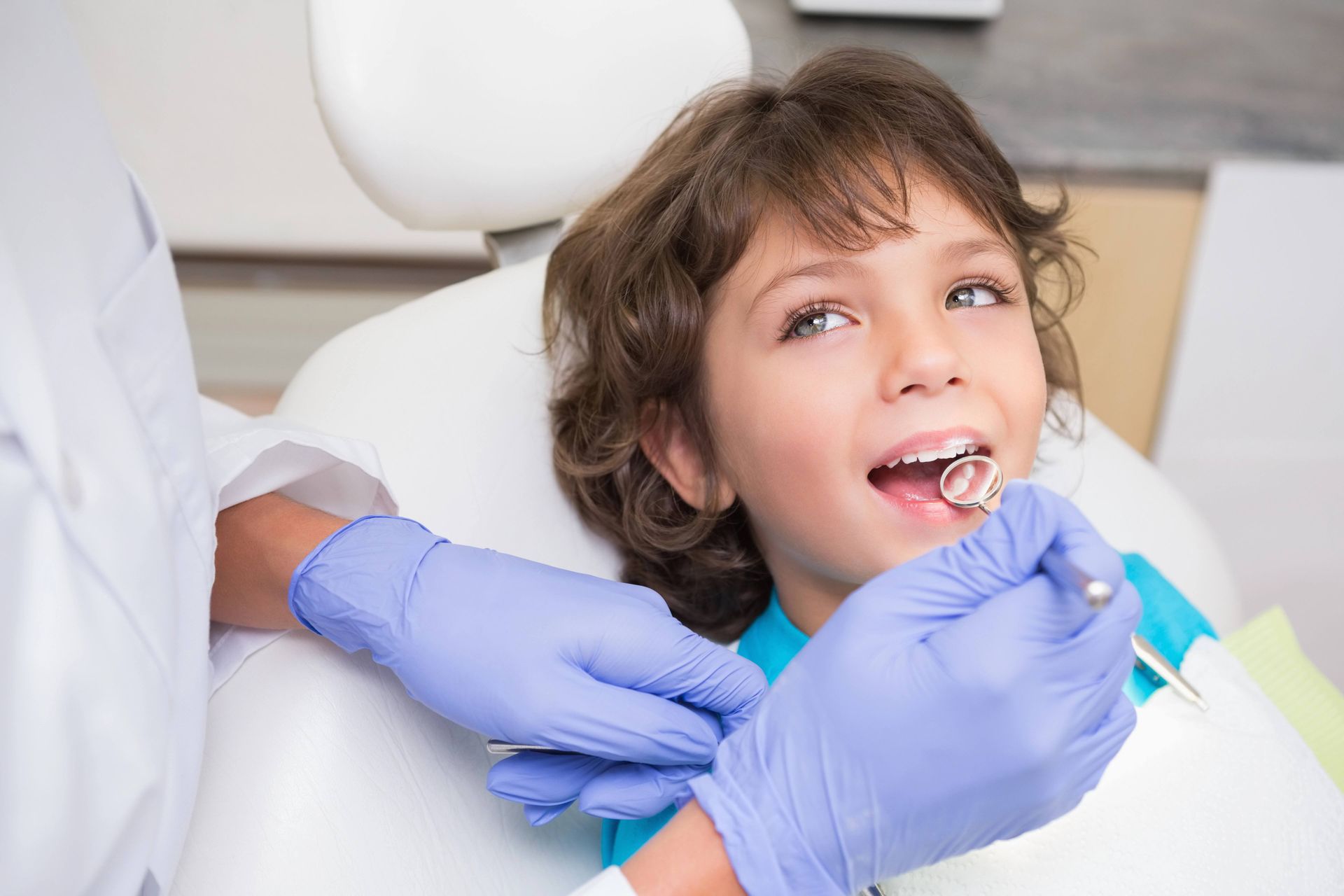
Your dentist can provide various solutions depending on the cause of your jaw pain or chewing difficulties. Treatment options might include a custom night guard to prevent grinding, orthodontic adjustments to improve bite alignment, treatment for infected or damaged teeth, or exercises and therapies for TMJ disorders. Addressing these issues promptly can prevent them from becoming chronic problems that affect your quality of life and require more extensive treatment later.
5. Visible Changes in Your Teeth or Mouth
Any visible changes in your teeth or mouth deserve professional evaluation, especially if you notice them during the winter months when dental problems can progress more quickly. These changes might include new spots or discoloration on your teeth, chips or cracks that weren't there before, loose teeth, changes in how your teeth fit together when you bite, or unusual lumps or sores in your mouth that don't heal within two weeks. While some changes might seem minor, they can indicate serious underlying issues that require prompt attention.
White, brown, or dark spots on your teeth can indicate areas where enamel is demineralizing and cavities are beginning to form. Early-stage cavities can often be reversed or treated minimally if caught quickly, but if left untreated, they require more extensive procedures like fillings or even root canals. Chips or cracks in teeth might result from winter activities like sports, biting hard foods, or temperature changes that cause teeth to expand and contract, but regardless of the cause, they need professional repair to prevent bacteria from entering and causing infection.
Loose teeth in adults are never normal and can indicate advanced gum disease, bone loss, or trauma that requires immediate attention. Changes in your bite might mean your teeth are shifting due to periodontal disease, or it could indicate problems with your jaw joint. Persistent sores, lumps, or white or red patches in your mouth can be signs of oral cancer or other serious conditions that require diagnosis and treatment as soon as possible.
Your dentist has the training and tools to properly evaluate any changes in your mouth and determine whether they're benign or require treatment. Many serious dental and oral health problems are highly treatable when caught early, but can become severe if ignored. A winter check-up allows your dentist to catch these changes early and provide appropriate treatment before they develop into major problems. Regular dental visits are your best defense against oral health issues, and winter is an excellent time to ensure everything is as healthy as it should be.
Conclusion
Your oral health deserves attention year-round, but the winter season presents unique challenges that make regular dental check-ups even more important. If you're experiencing any of these five warning signs – tooth sensitivity, bleeding or swollen gums, persistent bad breath, jaw pain or chewing difficulties, or visible changes in your teeth or mouth – don't wait until spring to schedule an appointment. Early intervention can save you from pain, extensive treatments, and costly procedures while protecting your overall health and wellbeing.
At Tilton Family Dental, we're committed to helping you maintain optimal oral health throughout every season. Our experienced team can provide comprehensive examinations, professional cleanings, and personalized treatment plans to address any concerns you might have. Don't let winter dental problems compromise your smile or your health – schedule your check-up today and start the new year with confidence in your oral health. Your teeth will thank you, and you'll enjoy the winter season with greater comfort and peace of mind.