The 2-2-2 Rule: Your Simple Guide to a Healthier Smile

Danny • February 22, 2026

When it comes to maintaining a healthy smile, the advice doesn't have to be overwhelming. One of the most effective frameworks for lifelong oral health can be summed up in just three numbers: 2-2-2 . Brush twice a day, brush for two minutes each time, and visit your dentist twice a year. This simple rule, when followed consistently, can dramatically reduce your risk of cavities, gum disease, and costly dental problems over time.

At Tilton Family Dental , we share this rule with patients from Tilton, Northfield, Franklin, Sanbornton, Belmont, and Laconia every single day. It doesn't matter if you're a busy parent, a student, or a retiree — the 2-2-2 Rule gives everyone a clear, actionable foundation for a lifetime of healthy teeth.

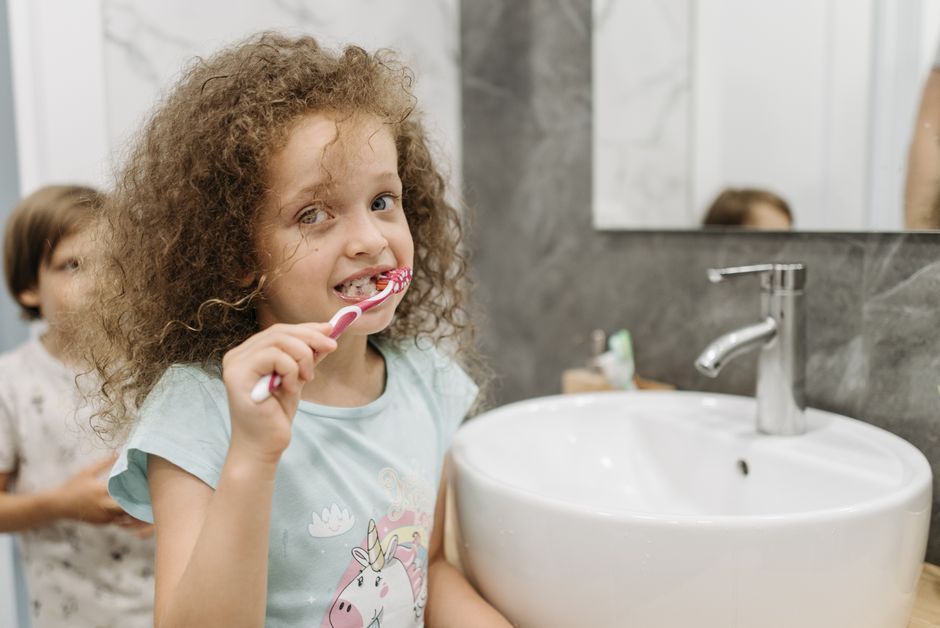
1. Brush Twice a Day — Morning and Night

The first "2" is about frequency: brush your teeth at least twice a day, once in the morning and once before bed. While most people are fairly consistent about their morning brush, the nighttime brush is often the first thing to go after a long, tiring day. But skipping that evening session is one of the most common mistakes dentists see — and one of the costliest in the long run.

Throughout the day, bacteria in your mouth feed on food particles and sugars, producing acids that attack tooth enamel. If you go to sleep without brushing, those bacteria have hours of uninterrupted time to do damage. Plaque begins hardening into tartar within 24 hours, and tartar can only be removed by a dental professional. Brushing before bed removes the day's buildup before it can cause lasting harm to your enamel and gum tissue.

Morning brushing matters just as much. Overnight, bacteria multiply and produce compounds responsible for bad breath and plaque formation. Starting your day with a thorough brush clears away that overnight buildup and gives your mouth a clean, fresh start. Think of it as resetting your oral environment before you eat or drink anything — setting yourself up for a healthier day ahead.

2. Brush for Two Full Minutes

The second "2" addresses duration: each brushing session should last a full two minutes. Studies consistently show that most people brush for only 45 to 60 seconds — far less than what's needed to properly clean all tooth surfaces. Two minutes may sound like a long time when you're standing at the sink, but when you actually time yourself, you'll realize how quickly you've been cutting corners.

Your mouth has a lot of surface area to cover — the front, back, and chewing surfaces of every tooth, your gumline, and your tongue. Rushing through means leaving bacteria and plaque behind in spots you haven't properly reached. Over time, that incomplete cleaning leads to buildup in hard-to-reach areas, which is exactly where cavities and gum disease tend to develop first.

A practical approach is to divide your mouth into four quadrants — upper left, upper right, lower left, lower right — and spend 30 seconds focused on each section. Many electric toothbrushes include built-in timers that beep every 30 seconds to help you stay on track. If you use a manual brush, try playing a favorite short song or setting a timer on your phone. Getting kids involved in this routine from an early age helps them establish healthy habits that serve them well for decades.

Technique matters too. Hold your toothbrush at a 45-degree angle to your gums, use gentle circular or back-and-forth motions, and resist the urge to scrub hard. Brushing too aggressively can wear down enamel and irritate gum tissue. Slow, thorough, and gentle always wins over fast and forceful.

3. Visit Your Dentist Twice a Year

The third "2" is arguably the most important — and the most commonly neglected: scheduling professional dental cleanings and checkups twice a year. Even patients who maintain excellent at-home routines need professional care every six months. There are things a dentist and hygienist can do that no toothbrush or floss can replicate on its own.

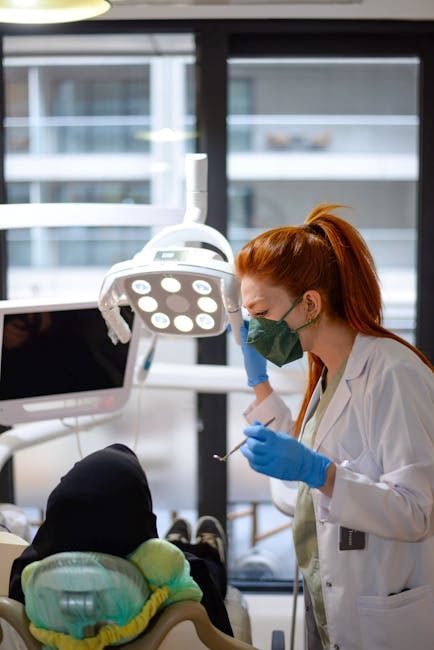
During your professional cleaning, your hygienist removes tartar from areas your brush can't reach, polishes your teeth, and carefully examines your gum tissue. Your dentist then evaluates the overall condition of your teeth and checks for early signs of decay, gum disease, oral cancer, and other issues that may not yet be causing discomfort. Early detection almost always means simpler, less expensive treatment — before a small issue becomes a big one.

For families in Tilton, Northfield, Franklin, and the surrounding Lakes Region communities, keeping up with biannual visits is one of the smartest investments you can make in your long-term health. A small cavity caught at a routine appointment can be treated with a simple filling. Left undetected, that same cavity may eventually require a root canal or crown — a much bigger time and financial commitment. Twice-a-year visits protect your wallet just as much as your teeth.
Why Simple Rules Work

The real power of the 2-2-2 Rule lies in its simplicity. Research on oral health consistently shows that the biggest barrier to good dental hygiene isn't a lack of knowledge — it's a lack of consistency. People understand they should brush more carefully and see their dentist regularly, but without a clear and memorable framework, those good intentions often fade. The 2-2-2 Rule converts intentions into a repeatable system that's easy to remember and stick with.

It's similar to any other healthy habit: the approaches that work best are the ones simple enough to do every day. Two minutes of brushing twice a day adds up to less than 25 hours per year — a remarkably small investment for a lifetime of healthy teeth. Pair that with two professional visits annually, and you have a complete, well-rounded oral health plan that covers both your daily care and your professional care.

Tilton Family Dental — Your Oral Health Partner in the Lakes Region

Sticking to the 2-2-2 Rule is much easier when you have a caring, local dental team in your corner. At Tilton Family Dental, we're committed to making every visit comfortable and enjoyable for patients of all ages — from little ones learning the basics of brushing to adults looking to refresh their oral health routine. We proudly serve Tilton, Northfield, Franklin, Sanbornton, Belmont, Laconia, New Hampton, and the greater Lakes Region area.

Ready to book your next biannual checkup? Contact Tilton Family Dental today. Call us at (603) 286-8618 or stop by 468 West Main St, Tilton, NH 03276. Your smile is worth two minutes — and two visits a year.


By Danny February 22, 2026
Learn the 2-2-2 Rule for better oral health: brush twice daily, for two minutes each time, and visit Tilton Family Dental twice a year for a healthy smile.
By Danny February 14, 2026
Discover the science of how oral bacteria travel from your gums to your heart. Learn about the oral-cardiovascular connection and prevention tips from Tilton Family Dental.
By Danny February 7, 2026
Discover smile makeover tips just in time for Valentine's Day. From teeth whitening to cosmetic dentistry, Tilton Family Dental helps you look your best.
By Danny February 1, 2026
Lakes Region families: Expert children's dental health advice from Tilton Family Dental for keeping your kids' smiles bright this winter and beyond.
By Danny January 20, 2026
Make your child's first dental visit positive and stress-free with expert tips from Tilton Family Dental. Learn how to prepare, what to expect, and create lasting healthy dental habits for Tilton NH families.
By skatragadda09 January 2, 2026
Looking for a dentist in Tilton, NH? Ring in 2026 with confidence! Discover achievable dental goals and why Tilton Family Dental is your partner for exceptional family dental care this New Year.
By Tilton Family Dental December 28, 2025
Discover the 5 key warning signs that indicate you need a dental check-up this winter. Learn how to protect your oral health during the cold season with expert tips from family dentistry professionals.
By Gerald M June 22, 2019
Summer is finally here, and many people are finally going on their long-awaited vacations. Of course, nobody wants to have an issue with their teeth when they are away from home but being prepared for this type of issue can help you deal with it faster and get back to your vacation. Here are a few tips on how to handle a dental issue while you are on vacation. They always say that the best defense is a good offense. Make sure that you are up to date on your dental checkups before you leave on vacation. This will help you identify any small issues with your teeth that have the potential to turn into major problems while you are away. Not only will you have more peace of mind, but your dentist will have updated records just in case you do run into trouble. Of course, emergencies sometimes occur, even when you have taken all the right steps to prevent them. Keep contact information for your dentist with your travel documents and make sure that you have the office number in your phone. In many cases, your dentist will be able to help you solve your dental problem over the phone and help you get comfortable until you can come home and have an appointment. If you are out of the country, getting the dental care you need may be a bit more complicated, but it is still possible. Contact the US embassy to find a dentist who was trained in the United State. Cruise ships and resort hotels often have a list of providers for emergency dental services. Ask the concierge to help you set up an emergency appointment. When you are out of the country visiting friends or family, go with their best recommendation for dental care. In the hustle and bustle of preparing for a vacation, we often forget something as simple as packing a toothbrush. If you are stuck without a toothbrush and nowhere to get one, you can still take simple steps to clean your teeth. Rinse thoroughly with water to remove bacteria and sugars from the surface of your teeth. You can also put toothpaste on a washcloth until you are able to locate a proper toothbrush. When you do track one down, an ADA approved toothbrush is best but, if that isn’t possible, try to find one with soft bristles. Most of your favorite toothbrush brands can be purchased in any area of the world. Make sure that when you do pack your toothbrush, you do it with care. When we are at home, our toothbrushes have a chance to dry out. Bacteria won’t grow in a dry environment because it needs moisture to live. However, if you brush your teeth right before you leave, you might not have time to let it dry before you need to pack it. In this case, put your toothbrush in a clean plastic bag and keep it away from other items in your suitcase. As soon as possible, take your toothbrush out so that it can dry completely. Sugarless gum is one of the most important things you can keep on you for your dental health while you are traveling. For one thing, it will offer much-needed relief if you experience ear pressure during a plane takeoff or landing. However, sugarless gum can also help reduce your risk of cavities. If you are indulging in a lot of sweet treats during your vacation, chew a piece of sugarless gum afterward to protect your teeth. If you have a crown or bridge in your mouth that becomes loose during vacation, you can use sugar-free gum as a temporary hold until you can get to a dentist. It can also help as a temporary solution for tooth sensitivity when you’re on the road. Remember that not all areas where you travel will have water that is ideal for brushing your teeth. If you aren’t sure, pour bottled water onto your toothbrush instead. You do not want to have your vacation ruined by an illness as a result of ingesting contaminated local water. After your vacation, get right back to your normal oral hygiene routine. Spend some extra time brushing and flossing to make up for any lapses during your trip. Get back to healthy eating habits. There is no problem with indulging on vacation if you can get back to your normal habits when you get home. Looking for a Tilton NH Dentist ? Tilton Family Dental is now accepting new patients. For more information about our services or to request an appointment, click here .
By Gerald M June 15, 2019
We all know how expensive raising a family can be in today’s world. When you start adding dental bills into the mix, the costs can really start to get out of hand. Unfortunately for most parents, it is a do as I say world, but that is not how children work. They are like sponges and watch every move we make. More importantly to realize is the fact because parents are literally their world, they try to emulate everything mom and dad do as well. Keep that in mind when it comes to your oral health regimen because you need to set the example for your children and show them how to properly care for their teeth the moment they understand tasks like brushing and rinsing. Here are some tips to help ensure you keep your child’s dental health in check and maybe yours as well: Don’t Miss Dental Appointments – this is literally the most basic of oral hygiene regimens. You simply cannot afford to miss a dental appointment because what often happens is you start to become afraid to go for fear of what you may find out. Keep the appointment, period. Sweets Between Meals – ideally, you avoid sweets. But, let’s face facts, we like them just as much as our children do. When picking snacks for the children, try to pick snacks that are healthy and hand them a bottle of water with the snack. Instead of candy, try some frozen grapes or blueberries. Make a game of swishing water around in the mouth after they are done eating to reduce the residue on their teeth. That will suffice until you can get them home to brush. Drinks Before and After Bed – if you are like me, you tend to take a drink to bed with you. For many parents, this often means some type of fruit juice in a sippy cup for the children, which is a big mistake. All the sugar in the drink will be sitting in their mouth all night long eroding away at the tooth enamel. The nighttime drink should be water, period. Brushing Before Bed – getting kids to brush their teeth before bed can be a nightmare, but it is a must to ensure good oral health. Today, there are numerous children-themed toothpastes as well as cool toothbrushes that can be used to make it fun. Put an egg timer on the sink and if they brush for the entire two minutes, give them a reward. You have to make them want to brush their teeth because this is a habit that will last them a lifetime. Do you need to make a dental appointment for your children? If you are looking for a T ilton Dentist , Tilton Family Dental is accepting new patients. For more information about our services or to request an appointment, please click here .
By Gerald M June 8, 2019
If you make regular dental visits, you may sometimes notice your teeth are a bit more sensitive after getting treatment. These sensations usually fade over time, however, there are times when that sensitivity continues without abating. Today, we are going to look at how and why this happens as well as what you can do to address it. Deep Cleaning Will Impact Sensitivity For most people, the bi-annual visit to the dentist means the removal of bacteria under the guns and tartar that has calcified on and between the teeth. The dentist or oral hygienist will use a regular pick as well as a small water pressure tool to remove this. For more severe cases, a root planing is done, usually in quadrants (generally, you are also given a local to numb the area being cleaned). When this is done, is it not uncommon to experience sore gums, bleeding gums, and extra-sensitive teeth, especially after a planing is conducted. One of the reasons the teeth will often feel a bit more sensitive is because the plaque has been removed from the surface. These parts of the tooth are once again exposed to the elements. In a normal situation, the extra sensitivity should start to subside in a day or so, and everything should be normal within a few days, a week at the longest. As you brush your teeth, carefully, throughout the week, this will actually help the situation along. In the meantime, avoid eating excessively cold or hot food. When possible, use a straw to drink your liquids to avoid direct contact with the teeth. If the problem persists, however, you should contact your dentist to alert him or her of the situation. Taking Care of Teeth After a Deep Cleaning It is important to understand that even though you may be experiencing some extra sensitivity from your teeth and gums, you still need to maintain a regular oral health regimen, however, there will be some moderate changes in the usual activity. For instance, you should avoid flossing for a day or so to allow the gums to recover. If, however, you have a water flosser, you can reduce the setting and use it to massage the gums and remove loose particles from between the teeth. When brushing your teeth, be sure to use a tooth brush with soft bristles so as not to aggravate the situation further. As mentioned above, avoid liquids of extreme temperature and use a straw to drink when possible. Are you in need of a dental cleaning? If you are looking for a T ilton NH Dentist , Tilton Family Dental is accepting new patients. To learn more about our service or to schedule an appointment, please click here .