Nutrition and Your Teeth: Foods That Help vs. Hurt
What you put on your plate every day has a direct impact on the health of your teeth and gums — perhaps more than you might expect. While brushing and flossing are the cornerstones of good oral hygiene, the foods and drinks you consume create the environment in which your teeth either thrive or struggle. At Tilton Family Dental, we serve families throughout Tilton, Northfield, Franklin, Belmont, Laconia, and the surrounding Lakes Region, and we see firsthand how dietary habits influence dental health at every age. Whether you're a parent packing school lunches or someone looking to make better choices for yourself, this guide will help you understand which foods are working for your smile — and which ones are working against it.
The underlying mechanism is simple: bacteria naturally present in your mouth feed on sugars and refined carbohydrates, producing acids as a byproduct. Those acids attack your tooth enamel, gradually eroding it and creating conditions for cavities and gum disease. But the flip side is equally true — certain nutrients actively strengthen enamel, support gum tissue, and help your mouth maintain a healthy pH. Building a diet around these protective foods is one of the most sustainable investments you can make in your long-term dental health.
The Best Foods for Your Teeth
Dairy products — including milk, cheese, and plain yogurt — are among the most powerful foods for dental health. They deliver calcium and phosphorus in highly bioavailable forms, and these minerals are the building blocks of strong tooth enamel. Calcium helps remineralize enamel that has been weakened by daily acid exposure, essentially repairing microscopic damage before it progresses into a cavity. Cheese is particularly beneficial because it stimulates saliva flow and contains casein proteins that have been shown to directly reinforce enamel structure. For families in Tilton and Northfield looking for smart snack options, a few cubes of cheese or a cup of plain yogurt after meals is a simple, effective choice for protecting teeth of all ages.
Crunchy, water-rich fruits and vegetables are another excellent dietary choice for oral health. Apples, carrots, celery, cucumbers, and pears have a fibrous, crisp texture that physically scrubs tooth surfaces as you chew, helping to dislodge food particles and stimulate saliva production. Saliva is your mouth's most important natural defense — it neutralizes acids, washes away sugars and bacteria, and continuously delivers remineralizing minerals back to your enamel. These foods are also naturally low in sugar compared to processed snacks, making them ideal between-meal options. For children in the Lakes Region who need a grab-and-go snack, an apple or a handful of baby carrots is far better for their teeth than crackers or fruit snacks.

Leafy greens — spinach, kale, arugula, and Swiss chard — are nutritional powerhouses for oral health. They're rich in calcium, folic acid, and vitamins that reduce gum inflammation, support collagen production, and help maintain healthy tissue around your teeth. Folic acid in particular has been associated with lower rates of gum disease and improved healing of gum tissue. Adding greens to sandwiches, smoothies, or as a side salad is an easy way to give your diet a significant dental health boost. Nuts, seeds, and legumes round out the list of top choices — delivering calcium, phosphorus, and protein without the high sugar content that promotes cavity formation.
Water — especially fluoridated tap water — is the single most beneficial drink for your teeth. It rinses away food debris and acid-producing bacteria, dilutes the acids that accumulate after eating, and keeps your mouth moist so saliva can function effectively. Fluoride in the water supply is one of the most studied and proven interventions in dental public health, strengthening enamel against acid attack at the population level. Encouraging children to reach for water rather than juice or sports drinks between meals is one of the most impactful habits a parent can establish early.
Foods to Limit for Better Dental Health
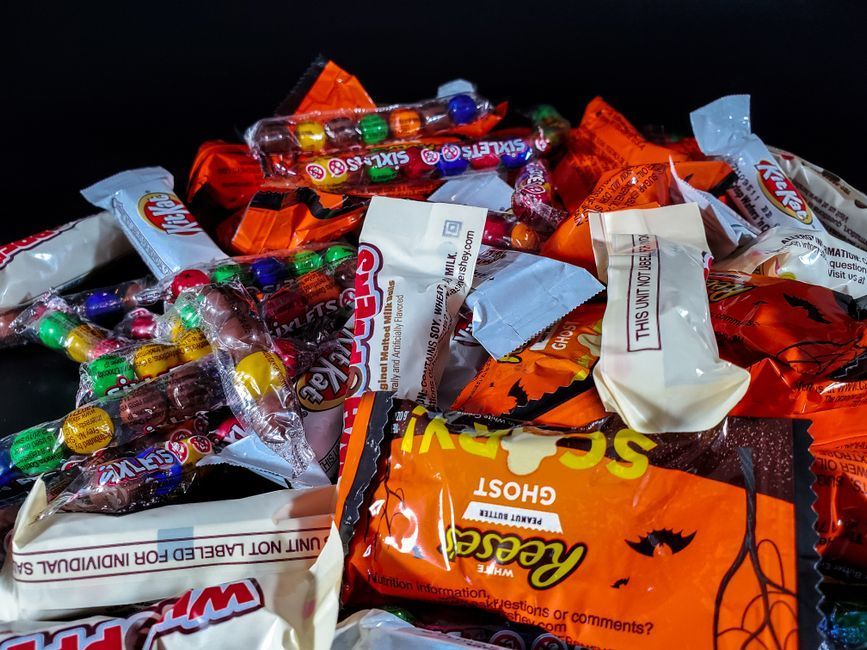
Sugary foods and beverages are the primary dietary drivers of tooth decay. When sugar enters your mouth, oral bacteria begin metabolizing it within seconds and producing lactic acid as a byproduct — this acid directly attacks enamel. The problem extends well beyond candy and soda. Sugar is also abundant in fruit juice, sports and energy drinks, flavored yogurts, granola bars, sweetened coffee drinks, and even most breakfast cereals. For families in Belmont, Franklin, and Laconia, swapping out sugary juice and sports drinks in favor of water throughout the day can have a measurable effect on cavity rates, especially for children whose enamel is still developing.
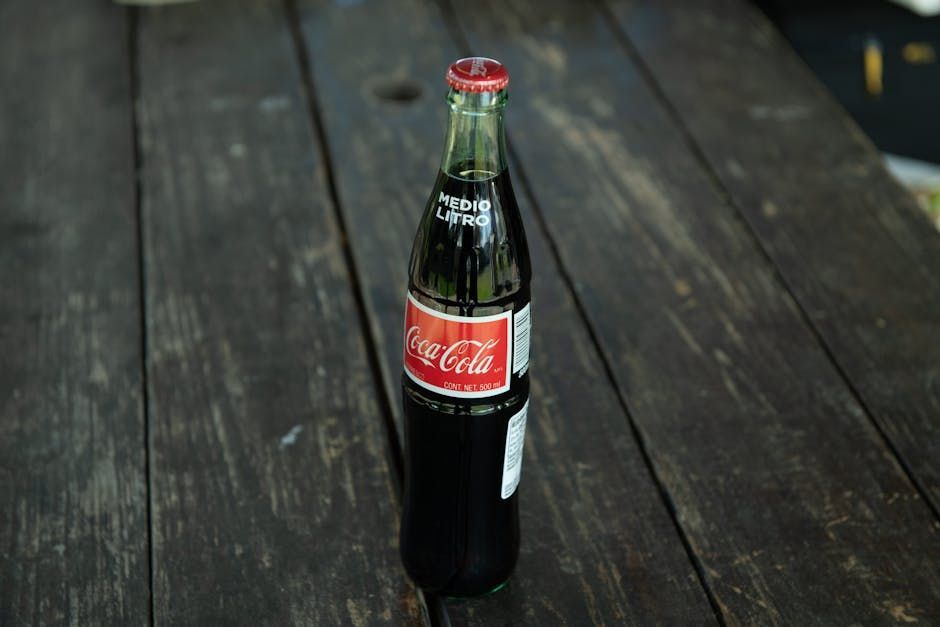
Acidic foods and drinks deserve equal attention. Citrus fruits and juices, carbonated water, sodas, tomatoes, vinegar-based dressings, and wine are all highly acidic. Acid temporarily softens enamel, making it more susceptible to damage from chewing, grinding, and brushing. Sodas are particularly harmful because they combine high acidity with high sugar content, delivering a double blow with every sip. If you consume acidic items, rinse with plain water afterward and wait at least 30 minutes before brushing — brushing immediately after acid exposure can actually accelerate enamel wear.
Sticky and chewy foods are a particularly underappreciated dental hazard. Dried fruit, gummy vitamins and candies, caramel, and even certain protein bars cling to tooth surfaces long after eating — pressing sugar against enamel for an hour or more at a time. This prolonged contact gives bacteria far more time to generate damaging acids than a quickly-cleared fresh food would. When sticky snacks are unavoidable, eating them with a meal and rinsing or brushing afterward reduces the risk significantly. It's also worth noting that gummy vitamins, despite being perceived as healthy, are among the worst culprits for prolonged sugar contact on teeth.
Refined starchy foods — white bread, crackers, chips, pretzels, and pasta — are often overlooked as dental hazards. Starch converts to simple sugars rapidly in the mouth, and the sticky, paste-like consistency these foods develop when chewed allows them to pack into grooves and crevices where bacteria thrive. Choosing whole grain alternatives reduces the speed of sugar conversion and provides more fiber, resulting in less adhesive breakdown products that are easier to clear from tooth surfaces.
It's Also About When and How Often You Eat
The frequency of eating matters as much as the content. Every time you eat or drink (other than water), your mouth's pH drops for approximately 20 to 30 minutes as bacteria process the incoming sugars. If you snack continuously throughout the day or sip on sugary or acidic drinks, your mouth stays in that acid-attack zone nearly all the time — dramatically accelerating enamel erosion. Consolidating food and sweetened drinks to mealtimes, rather than grazing through the day, gives your enamel more time in a neutral or remineralizing state. This single habit change can be as impactful as several other dental hygiene improvements combined.
Ending meals with a tooth-protective food also helps. A piece of cheese, a small glass of milk, or simply rinsing with water after eating can neutralize acids and support enamel recovery before your next brushing. These practical strategies, layered with consistent twice-daily brushing, daily flossing, and regular cleanings at our Tilton office, form a comprehensive approach to dental wellness that protects your entire family's smiles for years to come.
Tilton Family Dental — Tilton, NH
At Tilton Family Dental, we're proud to serve the families of Tilton, Northfield, Franklin, Belmont, Laconia, Sanbornton, and New Hampton with comprehensive dental care rooted in patient education and prevention. Whether you're coming in for a routine cleaning or have specific concerns about your diet and dental health, our team is here to help you build habits that last a lifetime.
Ready to schedule your family's next visit? Contact us today at (603) 286-8618 or visit us at 468 West Main St, Tilton, NH 03276. Your healthiest smile starts with what's on your plate!