Dental Anxiety: How to Stop Being Scared of the Dentist
Dental anxiety is one of the most common barriers to good oral health in America — and it's a very real issue for many people throughout the Lakes Region, including Tilton, Northfield, Franklin, Belmont, Laconia, and New Hampton. Studies estimate that more than a third of adults experience meaningful dental anxiety, and for roughly one in ten, the fear is severe enough to be called a true phobia — one that keeps them from seeking care for years at a time, even when pain or visible problems make the need undeniable.
At Tilton Family Dental, we want to speak directly to that fear. We understand it, we've worked with it in patients of all ages and backgrounds, and we know that avoiding the dentist because of anxiety almost always makes things harder — not easier — in the long run. This post is for anyone who has put off a dental appointment because of worry, embarrassment, or dread. You're not alone, and there are real, practical ways to make dental care manageable.
Understanding Where the Fear Comes From
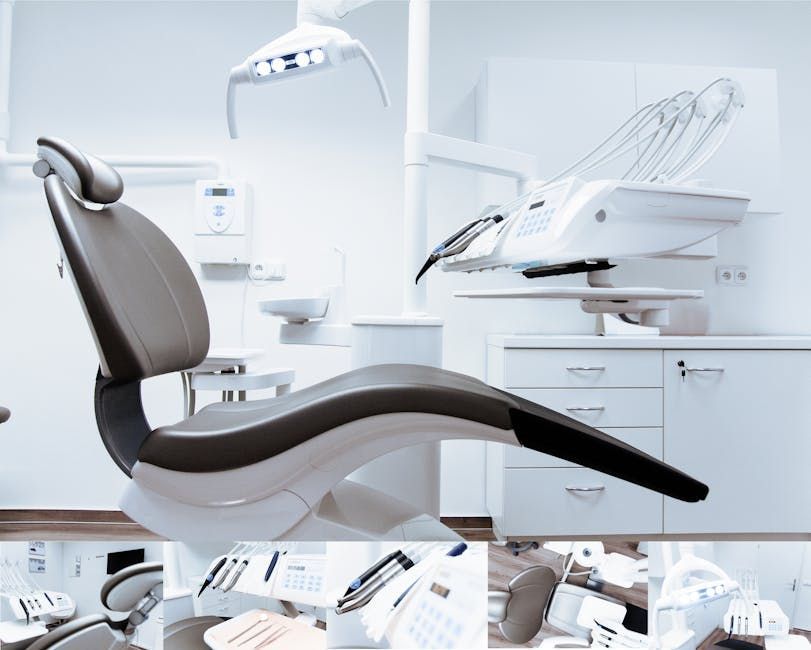
Dental anxiety rarely develops randomly. In most cases, it originates from a past experience — often one that happened during childhood — that was painful, frightening, or emotionally distressing. A difficult extraction, an insensitive comment from a provider, or simply feeling trapped and helpless while someone worked inside your mouth can imprint powerfully on the brain. That imprint can persist for decades, triggered by sensory cues — the chemical smell of a dental office, the sound of a drill, the feeling of the chair reclining — long after the original event has been forgotten.
For others, dental anxiety is less about a specific memory and more about a cluster of fears: the fear of pain, the fear of needles, the fear of gagging, or the fear of receiving bad news about their teeth. Some patients are anxious about losing control — about being in a situation where they can't move freely, can't speak easily, and must trust a stranger to work in one of the most intimate and vulnerable parts of their body. These fears are entirely understandable from a psychological standpoint, and they deserve to be taken seriously rather than dismissed.
There's also the fear of judgment — perhaps the most powerful and least discussed driver of dental avoidance. Patients who have been away for a long time often assume that a dentist will be shocked or critical of the state of their teeth. In our experience, this assumption is wrong. Every person who comes through our door, regardless of how long it's been or what their teeth look like, is greeted with the same respect and care. We're not here to assess blame. We're here to help you move forward.
How Dentistry Has Changed — and Why That Matters
If your fear is based on past experiences from years ago, one of the most important things to know is that dentistry has changed significantly. Anesthetics are more effective and faster-acting than in previous decades. Instruments are smaller and quieter. Techniques are gentler. And the culture of dental care has fundamentally shifted toward communication, transparency, and patient comfort in ways that would have been unusual a generation ago.
Pain management, in particular, has improved dramatically. Modern local anesthetics are highly effective at eliminating sensation during procedures when administered correctly. The injection itself — often the aspect patients fear most — can be made much more comfortable with topical numbing gel applied before the needle, careful slow-delivery technique, and finer needles than were historically standard. Patients who have avoided dental care specifically because of fear of pain are often astonished by how minor the actual sensation is compared to what they anticipated.
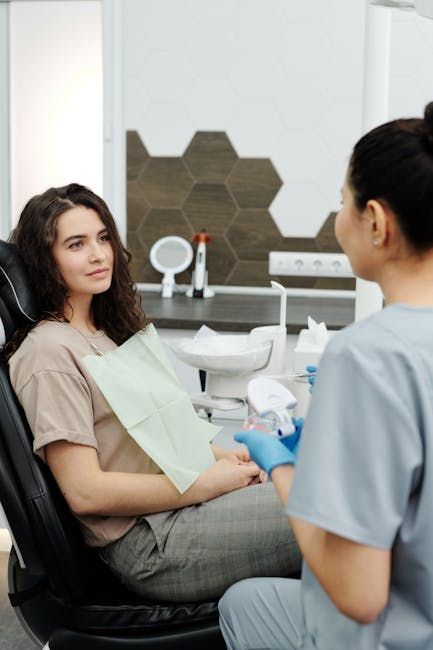
Beyond the clinical improvements, the communication practices in dental offices have evolved. At Tilton Family Dental, we explain every step before we do it, we show patients instruments before using them, and we establish a clear signal — a raised hand — that any patient can use at any time to pause a procedure, no explanation needed. This simple agreement restores a sense of control that is, for many anxious patients, the single most powerful anxiety-reducing element of the visit.
Simple Strategies That Actually Help
There are several evidence-backed approaches that anxious dental patients use to make appointments more manageable. The most impactful — and the simplest — is telling the dental team about your anxiety before the appointment begins. You don't have to explain your whole history. Even a brief note when scheduling ("I have a lot of dental anxiety — please be patient with me") allows us to prepare, slow down, and communicate more carefully throughout your visit.
Choosing the right appointment time can also help. Morning appointments are often better for anxious patients because there's no entire day to spend building up dread beforehand. Quieter appointment slots, rather than busy midday times, tend to feel less rushed and more manageable. Bringing headphones with music, a podcast, or even an audiobook is one of the most commonly reported tools among anxious patients — it creates a personal sensory environment that can buffer against the sounds of the office that often trigger anxiety responses.
Breathing is another tool that costs nothing and is available anywhere. Controlled slow exhalation activates the parasympathetic nervous system and physically counteracts the body's stress response. Try breathing in for four counts, pausing briefly, and exhaling for six counts. Repeat this before you enter the office and again during any procedure where you feel tension rising. It won't eliminate anxiety, but it can meaningfully reduce the physical intensity of it in the moment.
Taking It Step by Step
For patients who have been away from dental care for a long time, the idea of a comprehensive exam and cleaning in one visit can feel overwhelming. It doesn't have to be that way. One approach that works well is beginning with a consultation visit — no instruments, no treatment, just a conversation. You meet the team, see the office, ask your questions, and leave with a plan. That's it. No pressure to do anything more until you're ready.
From there, progress can be gradual. Many patients find that after one or two low-stress appointments, their anxiety diminishes naturally — because the actual experience doesn't match the feared expectation, and the brain begins to update its threat assessment. Each manageable visit builds a new memory that slowly displaces the old fearful ones. This is the same principle used in exposure therapy for anxiety, and it works just as well with dental care.
When More Support Is Needed
For patients with more significant anxiety, sedation options are available. Nitrous oxide — commonly called laughing gas — is a mild inhaled sedative that creates a feeling of calm and mild detachment. It takes effect within a few minutes, wears off quickly, and doesn't require a driver afterward. Many patients who have tried nitrous oxide describe it as genuinely transformative — the first time they've been able to sit comfortably in a dental chair in years.
For deeper anxiety or complex procedures, oral sedation — a prescription medication taken before the appointment — provides greater relaxation while the patient remains conscious and responsive. If either option sounds relevant to your situation, simply mention it when you call to schedule. We're happy to talk through what might work best for you.
Tilton Family Dental
Dental anxiety is common, understandable, and manageable — and it should never be a permanent barrier to getting the care you deserve. Whether you've missed one appointment or haven't seen a dentist in ten years, our door is open and our team is ready. We serve patients throughout Tilton, Northfield, Franklin, Sanbornton, Belmont, Laconia, New Hampton, and across the Lakes Region.
You can do this. Contact Tilton Family Dental today and let us help make your next visit as comfortable as possible. Call us at (603) 286-8618 or visit us at 468 West Main St, Tilton, NH 03276.