Why So Many Kids Are Getting Cavities (And How to Stop It)
Parents across New Hampshire are increasingly concerned about one frustrating trend: their children are getting more cavities, even when families are doing their best to practice good dental hygiene. The reality is that tooth decay is the most common chronic childhood disease in America — and it's affecting children in Tilton, Northfield, Franklin, Belmont, Laconia, and communities throughout the Lakes Region at alarming rates.
At Tilton Family Dental, we believe every parent deserves to understand what's actually causing this trend and what they can do about it. The good news is that cavities are largely preventable. The key lies in identifying the habits and factors that are putting children's teeth at risk — and making targeted changes at home and in the dental chair.
The Sugar Problem Is Bigger Than You Think
When most parents think about sugar and cavities, they picture candy bars and soda. But the truth is that sugar is hiding in dozens of common children's foods and drinks that seem perfectly healthy. Juice boxes, flavored yogurts, granola bars, fruit pouches, sports drinks, and even whole-grain crackers all contain sugars that feed cavity-causing bacteria in the mouth.
Here's how it works: every time a child eats or drinks something sugary, bacteria in the mouth produce acid that attacks tooth enamel for up to 20 minutes. It's not just the amount of sugar that matters — it's the frequency of exposure. A child who grazes on snacks and sips juice throughout the day subjects their teeth to nearly constant acid attacks, giving enamel no opportunity to recover between exposures.
One of the most impactful changes families can make is reserving sugary foods for mealtimes and replacing between-meal drinks with water. Fluoridated tap water is particularly beneficial — it's sugar-free and actively helps strengthen enamel. Milk at mealtimes is also a good choice due to its calcium content. Juice, even 100% fruit juice, should be limited and served only with meals rather than throughout the day.

Children Need More Brushing Help Than Most Parents Realize
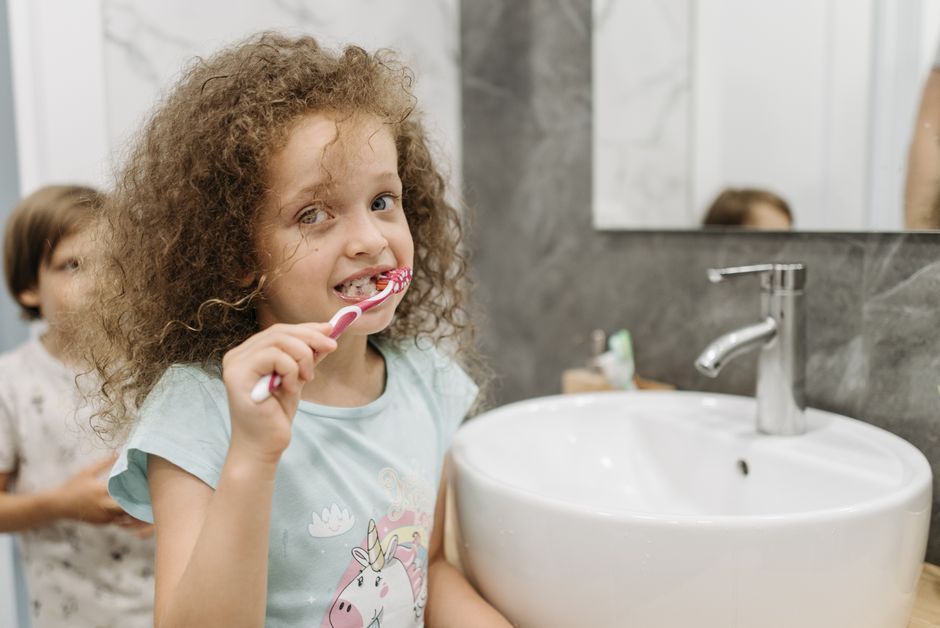
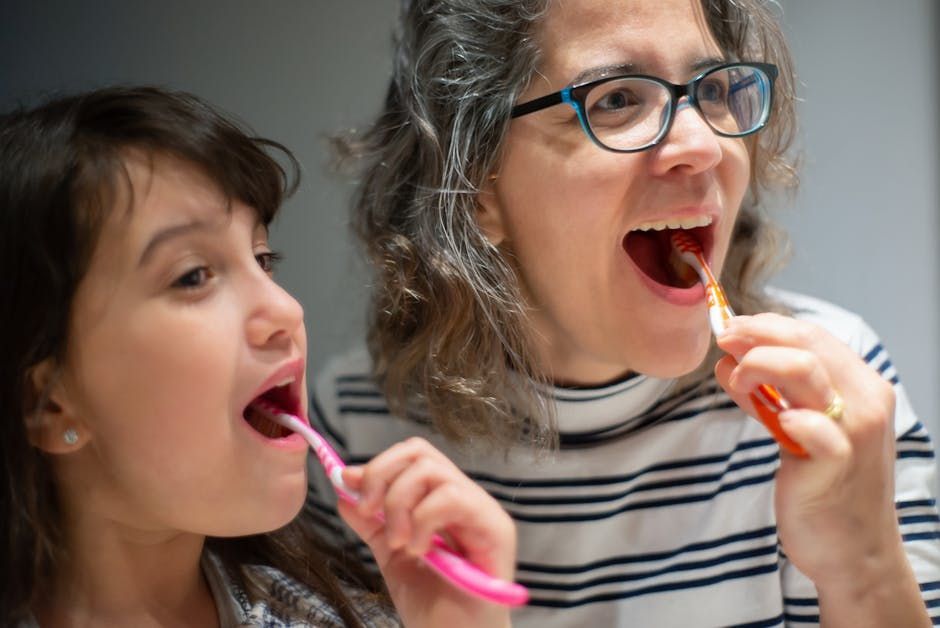
It's easy to assume that once children are old enough to want to brush their own teeth, they're old enough to do it effectively. But dental research consistently shows that children under 7 or 8 years old lack the fine motor coordination to brush all surfaces of their teeth properly. They tend to scrub quickly, miss the back molars, and skip along the gumline — exactly where plaque accumulates most aggressively.
Dental professionals recommend that parents continue to help brush their children's teeth until around age 7 or 8. Letting children brush first is great for building the habit, but a parent's follow-up ensures the job is truly done. Think of it like helping with shoelaces — independence is the goal, but you still check the knot.
Equally important is using the right amount of fluoride toothpaste. Children under 3 should use a smear the size of a grain of rice. Children ages 3 to 6 should use a pea-sized amount. Fluoride is a powerful enamel strengthener that can actually reverse early-stage decay before a cavity fully forms. Make sure children spit the toothpaste out rather than swallowing it.
Baby Teeth Are Not Disposable
One of the most consequential misconceptions in pediatric dental health is the idea that baby teeth don't really matter because they're going to fall out anyway. This belief leads many parents to delay treatment or take a less active approach to cavity prevention in young children — and it can have real long-term consequences for their adult smile.
Baby teeth serve as placeholders for the permanent teeth developing underneath and behind them. When a baby tooth is lost prematurely because of decay, the neighboring teeth drift and shift into that gap. This can cause the permanent teeth to come in misaligned or crowded, often requiring orthodontic correction that's far more extensive than any filling would have been. Baby teeth also help children chew food effectively, develop speech properly, and feel confident in social settings.
There is also a direct biological connection between baby teeth and the permanent teeth forming below them. When decay in a baby tooth reaches the root and causes infection, it can damage or discolor the developing permanent tooth underneath. Addressing cavities in baby teeth promptly — or better yet, preventing them entirely — is one of the most important things parents can do for their child's long-term dental health.
Bottles, Sippy Cups, and Bedtime Habits
For infants and toddlers, the way liquids are consumed can be just as damaging as what they drink. Children who sip milk or juice throughout the day from a sippy cup are bathing their teeth in sugar for hours at a time. Even more damaging is the habit of falling asleep with a bottle — milk or juice pools around the teeth during sleep when saliva flow slows, creating ideal conditions for rapid decay.
Dentists refer to this as baby bottle tooth decay or early childhood caries. It often appears as brown or white spots on the front upper teeth and can progress to severe decay very quickly in toddlers. The solution is to use sippy cups for water between meals, serve milk only at mealtimes, and avoid putting children to bed with anything other than water. If your toddler relies on a bottle at bedtime, this is a great habit to address early — and our team can help with practical guidance during your next visit.
Professional Prevention: Sealants and Fluoride Treatments
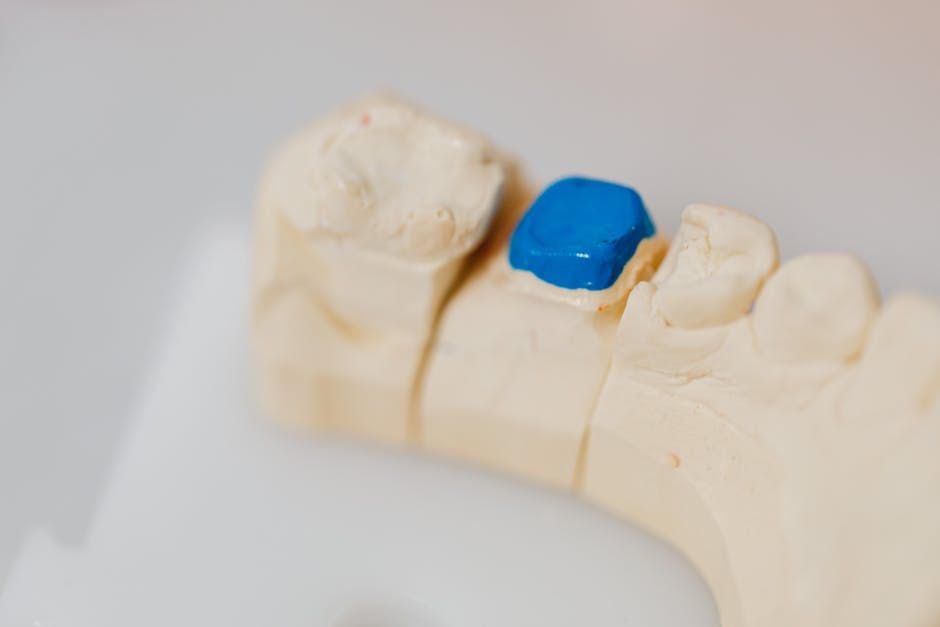
At Tilton Family Dental, we offer two of the most effective preventive treatments in pediatric dentistry: dental sealants and professional fluoride varnish. Sealants are thin plastic coatings bonded to the chewing surfaces of the back molars — the teeth with the deepest grooves and the highest cavity risk. Research shows sealants can reduce cavity risk in those teeth by up to 80 percent and typically remain effective for several years.
Professional fluoride varnish, applied in just a few minutes during a checkup, delivers a much higher concentration of fluoride than over-the-counter toothpaste. For children who are cavity-prone, have limited access to fluoridated water, or have recently had cavities, fluoride treatments between visits can make a measurable difference in their overall dental health. Both treatments are quick, comfortable, and far more cost-effective than treating cavities after they form.
When Should Children Have Their First Dental Visit?
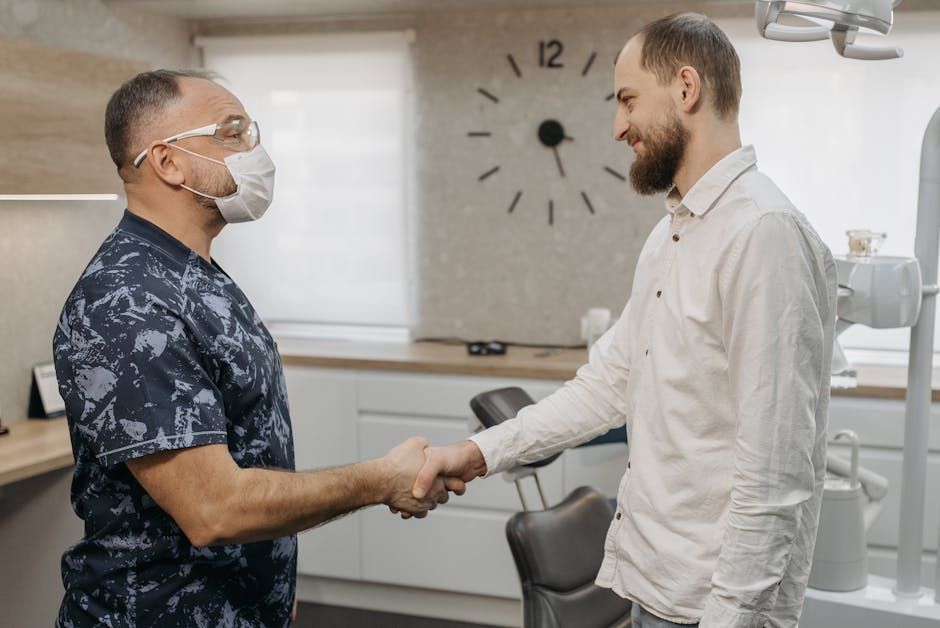
The American Academy of Pediatric Dentistry recommends a child's first dental visit by their first birthday, or within six months of their first tooth appearing. Starting this early allows our team to monitor development from the beginning, catch any early signs of decay, give parents personalized guidance on diet and home care, and — importantly — help children have positive experiences at the dentist long before they ever need treatment.
After the first visit, checkups every six months give us the opportunity to apply fluoride, place sealants at the right developmental moment, and address any concerns before they become significant problems. Children who begin regular dental care early consistently show better outcomes throughout their lives.
Tilton Family Dental
Childhood cavities are common — but they're not inevitable. With the right information and a consistent approach at home and at the dentist, most children can grow up with healthy, strong smiles. We're proud to serve families throughout Tilton, Northfield, Franklin, Sanbornton, Belmont, Laconia, New Hampton, and across the Lakes Region.
Ready to book your child's next checkup or first visit? Contact Tilton Family Dental today. Call us at (603) 286-8618 or visit our office at 468 West Main St, Tilton, NH 03276.