What to Do When a Crown Falls Off
You're sitting down to dinner, biting into something you've eaten a hundred times before, and suddenly you feel something hard and foreign in your mouth. You realize with a sinking feeling that it's your dental crown. The tooth underneath feels odd, exposed, maybe a little sensitive. What do you do next?
At Tilton Family Dental, we serve patients throughout Tilton, Northfield, Franklin, Belmont, Laconia, New Hampton, and the surrounding Lakes Region — and a lost crown is one of the most common dental emergencies we handle. The good news is that this situation is almost always very fixable. The key is knowing what to do in the hours before you can get in to see us.
Step One: Locate the Crown and Call Us
The very first thing to do is find your crown. It may still be in your mouth, or it may have come off while chewing and be on your plate or in your food. Pick it up carefully and rinse it gently under warm water. Don't scrub it and don't use soap or harsh cleaners. Take a good look at it: if the crown appears to be intact — no cracks or chips — there's a real possibility that your dentist can simply recement it at your appointment rather than fabricating a new one. That's a much faster and more affordable outcome. Keep it safe in a small zip-lock bag or pillbox and bring it with you.
Your next move is to call our office right away. We make every effort to accommodate dental emergencies quickly because we know how uncomfortable an exposed tooth feels — and because the longer a tooth goes unprotected, the greater the risk of damage or decay accelerating. If you reach our voicemail, leave your name, number, and a brief description of the situation. We'll get back to you as quickly as we can and get you scheduled.
In the meantime, be very careful about what you eat and drink. Avoid anything hot, cold, sticky, or hard on the side of the mouth where the crown came off. The tooth underneath is particularly vulnerable right now — it was shaped down to accommodate the crown and no longer has its full natural strength. Even normal chewing pressure can be enough to crack or fracture an unprotected prepared tooth, especially if there's any underlying decay involved.
Temporary Measures to Protect the Tooth
If you can't get in to see us right away, over-the-counter temporary dental cement can provide meaningful relief and protection. Products like Dentemp, Recapit, and similar brands are available without a prescription at most pharmacies — including CVS and Walgreens — and are designed exactly for this kind of situation. They allow you to temporarily reseat the crown over the exposed tooth, reducing sensitivity and protecting the underlying structure.
To use temporary cement: make sure both the tooth and the inside of the crown are clean and completely dry. Apply a small amount of cement to the inside of the crown, carefully seat it over the tooth, and bite down gently to press it into proper position. Use a finger to wipe away any excess cement around the edges. Then leave it alone — don't adjust it or wiggle it. The key word in "temporary cement" is temporary: it won't hold up to hard or sticky food, and it's not a substitute for professional care.
If the tooth is sensitive to air, cold, or pressure, over-the-counter pain relievers like ibuprofen (Advil) or acetaminophen (Tylenol) are appropriate for managing discomfort. Clove oil — available at most pharmacies in the natural health or oral care section — can also be carefully dabbed onto the exposed tooth surface with a cotton swab for mild topical numbing. Do not under any circumstances use super glue, household cement, or any non-dental adhesive to reattach the crown. These products can permanently damage both the tooth and the crown and make the repair significantly more difficult and costly.
Why Did the Crown Come Off?
Crowns don't fall off randomly — there's almost always a reason, and understanding it can help you take better care of your existing dental work going forward. The most common cause is cement failure over time. Dental cement degrades gradually with the forces of chewing, the acidity of the mouth, and normal wear. A crown that has been in place for ten or more years may simply have reached the point where the cement bond is no longer holding reliably.
Decay beneath the crown is another very common cause, and one that often surprises patients. Many people assume that a crowned tooth can't decay — but bacteria can infiltrate the margin where the crown meets the tooth, and once decay begins underneath the crown, it undermines the cement bond. This is why we take X-rays of crowned teeth at regular checkups even when they feel fine. Decay beneath a crown typically doesn't cause noticeable symptoms until it's advanced, but X-rays often catch it much earlier.
Other factors include teeth grinding (bruxism), which places far more force on crowns than normal chewing does; habits like chewing ice, biting pens or fingernails, or opening packaging with your teeth; and shifts in your bite over time that change how the crown is loaded. If grinding is an issue, a custom night guard is one of the best investments you can make to extend the life of your crowns and other dental restorations.
What Your Appointment Will Look Like
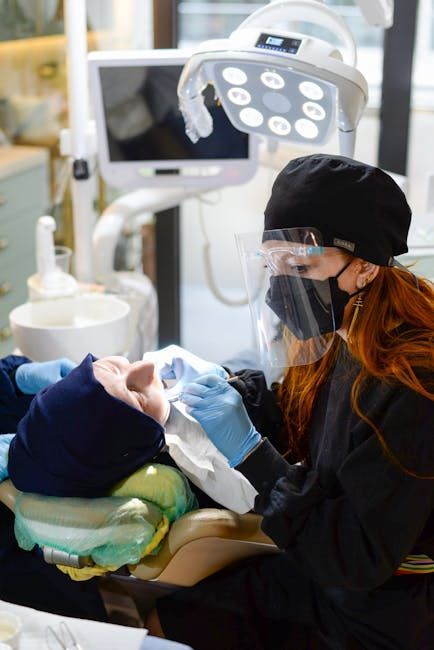
When you come in with a dislodged crown, our first step is to evaluate both the crown and the tooth it came from. We check whether the crown is structurally intact — no cracks, chips, or distortion — and whether it can be cleaned and recemented, or whether it needs to be replaced. We also examine the underlying tooth carefully for signs of new decay, fracture, or changes in the tooth structure that might affect how the crown fits or functions.
If the crown is in good shape and the tooth is healthy, recementation is typically quick and can be done in a single appointment. We thoroughly clean both the tooth and the inside of the crown, apply fresh permanent dental cement, seat and check the crown, verify your bite, and you're done. If the crown is damaged or there's decay that needs to be addressed first, we'll place a temporary crown while a new permanent one is fabricated in a dental lab — usually within one to two weeks.
We'll always take the time to explain exactly what we find and what we recommend, so you leave the appointment knowing the full picture. A lost crown can feel like a crisis, but in the vast majority of cases it's a very manageable situation with a clear path to resolution.
Tilton Family Dental
If your crown has come off, don't wait and hope it gets better on its own. The exposed tooth needs protection, and the sooner we see you, the simpler the solution is likely to be. We serve patients throughout Tilton, Northfield, Franklin, Sanbornton, Belmont, Laconia, New Hampton, and the Lakes Region — and we're ready to help.
Crown fell off? Contact Tilton Family Dental right away for a prompt appointment. Call us at (603) 286-8618 or visit us at 468 West Main St, Tilton, NH 03276.